Showing posts with label new england history. Show all posts
Thursday, December 16, 2010
Strawbery Banke
For our annual Christmas gift from my inlaws, we get to have an adventure. We definitely prefer this to things, and so many nice memories have been made and times enjoyed together that may not happen otherwise. For the past two years, we've gone to Charmingfare Farms. You may remember if you're a long time reader the two posts I did about those adventures in past years. A wonderful place, we had a lot of family fun on those nights which included a lovely dinner together followed by a sleigh ride around the woods and fields where they have thousands of lights strung to enchant the night. A truly fun time.
This year, since we'd done that two years, and well, there are so many things to see in our beautiful state, we thought we'd try something new. We wracked our brains for days to come up with just the right thing, when Music Man said, "how about Strawbery Banke? Do they do a Christmas thing?"
Strawbery Banke is one of the first establishments in the new world back in the 1600's, when NH was still part of Massachusetts. It is a museum of sorts, and has 36 buildings original to a time period when the country was still new and beyond. Thirty two of the buildings are original to the site and 4 have been moved to the site to save them from demolition in other parts of the town of Portsmouth, which is where all this history lies. Not the least impressive of the buildings relocated to the Banke is the Goodwin Mansion, which used to be on Islington Street and was moved there in 1963 to save it. To think this magnificent building would be torn down is really sad, but so glad that people with the foresight and ambition saved it for future generations. Below are some re-inactors singing Christmas carols in the parlor of the mansion...they have beautiful voices!
The dining room, set for dinner. I loved the hand made sign on the hearth...
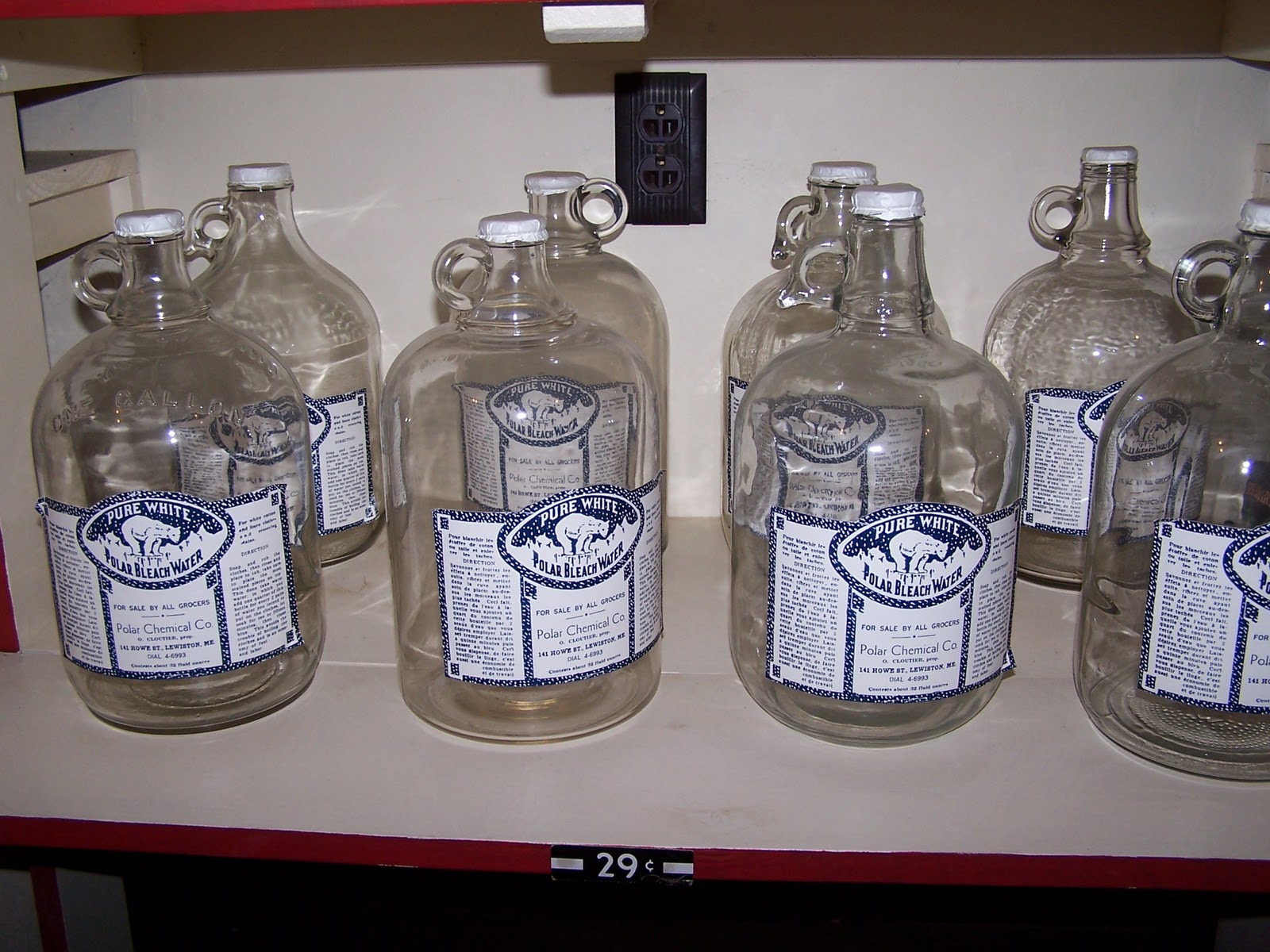
It was a great learning experience for the boys. They got to see what life was like in times before us as the museum has the buildings set to experience different periods in time. There was even a general store, which was set in the '40's during the war, with original packaging on products and a re-inactor who told of her excitement of her brother coming home for the holidays on leave from the war.
She had baked him a special cake...
We enjoyed the packaging and how few products were in stores. The boys could not get over how this was supposed to be a grocery store, they are so used to modern excess.
We also particularly enjoyed walking around the streets and imagining what it would have been like back in the olden days when we met Sea Captain Keyran Walsh walking amongst us on his way back from the tavern, saw horse drawn wagons and heard caroling and brass band music.
I was able to imagine a time when things were simpler and also more difficult for the people who came before us in their time. When choices were not as hard or as many, but everyday life was so much more taxing for them. When clothes were washed by hand, when heat came only from a fireplace, and gardens supplied the food. The work that went into their every day existence is amazing to me. I took time to wonder about the people that lived there and if they would like it that people are still able to see their lives and honor their memory. I had visited Strawbery Banke back when I was 12, but to be honest, it didn't hold the excitement for me then that it does now. Then, it was just a bunch of old stuff, what was the point? Now, I understand the true value of being able to glimpse life in the past and the generations from which we have come. And to truly appreciate the fact that this has been saved for generations to learn from and is open to the public for all to see rather then torn down or just private homes.
I do not know the people sitting down, they were enjoying the carolers as well, but I loved the happiness on their faces.
The night ended with a cup of warm cider, some caroling, and the cat scavenger hunt that the Banke had arranged for the kids. They had to find a black stuffed cat in 7 of the buildings, a real highlight for them, and kept them thoroughly engaged in the night (what a great idea on the Banke's part!). A truly fun time for all of us, we loved the whole experience. I will definitely return when I can wander around in the summer and read all the information and history that is posted all over the museum.
Thank you to my inlaws for providing this experience and memory for all. And, if you've never been to Strawbery Banke or maybe it's been a while, stop and see the wonderful Christmas program they have set up, it's a very heartwarming and informative night!
Wishing for you a glimpse at Christmas' past, ~Peacemom
Labels:
Christmas,
local history,
new england history,
Strawbery Banke,
stroll
Tuesday, October 5, 2010
Another Cemetery Visit
Yesterday I went to the Village Cemetery here in town again to get some more pictures. I was trying to come up with some photos of the artwork on the tombstones for a lecture I attended last evening on Gravestones of New England. The clouds provided for some great shadows in the photos, it was fun to wander around "The Yard", which is what the cemetery was called in days of 'or. I enjoyed myself, spending some time checking out all the different symbols.
This shows some of the Acanthus leaves that were common in the 1700's. They were common and stood for peace in the Garden of Eden. I found out from the lecturer, Ken Knoblock, that this carver's name is Wight and he did many of the oldest stones in the Chester Cemetery.
Lots of skulls, which were a sign of mortality...
Likenesses of the person buried beneath....and "Memento Mori" which means "remember death"...just in case you were inclined to forget that death is inevitable...
Wings were added to the likenesses and skulls to signify rising to heaven...and urns became common. Though they did not cremate people back then, this was what the carvers has seen on Egyptian relics, so urns became popular in the 1700 New England and were a symbol of mourning...
And willow trees became popular then as well. I learned they can symbolize sorrow, and they were added by the carvers due to their popularity....
And the other one I found was a General in the Civil War, General Louis Bell. The Bells are part of the founding families of Chester and a member of that family built a beautiful home owned by friends of mine...General Bell had quite an impressive stone which he shared with his wife, who died a mere 5 months after he did. His stone states, "Gen Louis Bell...Fell at Fort Tish (?) on Jan 15, 1865, Killed in battle fighting for the Union of his Country" and below that is his wife's short and to the point, " Mary Ann P Bouton" when she was born (Dec 15, 1834) and that she died here in Chester on May 4, 1865. They were both so young, only 28. I understand he died in battle, but I wonder why she died so young? Was it of a broken heart? Or tuberculosis (which they called consumption back then)? I wonder about that sort of thing when I see these types of death dates so close together. Interesting...
The broken sword is a symbol of life ended too short...and in both of their cases, that's quite true...and the harp is a symbol of St. Cecilia, patron saint of musicians...
I truly enjoyed the lecture last evening and learning many new things I never knew about New England tombstones and graveyards history and artwork. Some of the carvers of old were truly master artists, and when you consider that they used hammers and chisels to create such exact carvings and writing, it's even more impressive...no machinery then, just good old fashioned skill. Pretty neat.
And my little pumpkin accompanied me and set up a nice autumn, Halloween-y type feel.
Wishing you a new passion to learn about, ~Peacemom
This shows some of the Acanthus leaves that were common in the 1700's. They were common and stood for peace in the Garden of Eden. I found out from the lecturer, Ken Knoblock, that this carver's name is Wight and he did many of the oldest stones in the Chester Cemetery.
Lots of skulls, which were a sign of mortality...
Likenesses of the person buried beneath....and "Memento Mori" which means "remember death"...just in case you were inclined to forget that death is inevitable...
Wings were added to the likenesses and skulls to signify rising to heaven...and urns became common. Though they did not cremate people back then, this was what the carvers has seen on Egyptian relics, so urns became popular in the 1700 New England and were a symbol of mourning...
And willow trees became popular then as well. I learned they can symbolize sorrow, and they were added by the carvers due to their popularity....
And a sheaf of wheat, which signifies long life and passing, harvest of life if you will. Another meaning I found in research is resurrection and fertility...
I also saw the tombstones of two civil war soldiers, one was a bugler in Company G, First NH cavalry, Mr. Edward J Robie, who was a bugler in his young 17th year....
I found it interesting that he lived 60 years beyond the end of the civil war to the age of 81, and they put on his stone that he was a bugler at 17. I thought he must have been proud of his service....And the other one I found was a General in the Civil War, General Louis Bell. The Bells are part of the founding families of Chester and a member of that family built a beautiful home owned by friends of mine...General Bell had quite an impressive stone which he shared with his wife, who died a mere 5 months after he did. His stone states, "Gen Louis Bell...Fell at Fort Tish (?) on Jan 15, 1865, Killed in battle fighting for the Union of his Country" and below that is his wife's short and to the point, " Mary Ann P Bouton" when she was born (Dec 15, 1834) and that she died here in Chester on May 4, 1865. They were both so young, only 28. I understand he died in battle, but I wonder why she died so young? Was it of a broken heart? Or tuberculosis (which they called consumption back then)? I wonder about that sort of thing when I see these types of death dates so close together. Interesting...
The broken sword is a symbol of life ended too short...and in both of their cases, that's quite true...and the harp is a symbol of St. Cecilia, patron saint of musicians...
I truly enjoyed the lecture last evening and learning many new things I never knew about New England tombstones and graveyards history and artwork. Some of the carvers of old were truly master artists, and when you consider that they used hammers and chisels to create such exact carvings and writing, it's even more impressive...no machinery then, just good old fashioned skill. Pretty neat.
And my little pumpkin accompanied me and set up a nice autumn, Halloween-y type feel.
Wishing you a new passion to learn about, ~Peacemom
Labels:
autumn,
cemeteries,
civil war,
new england history,
old gravestones
Subscribe to:
Posts (Atom)